

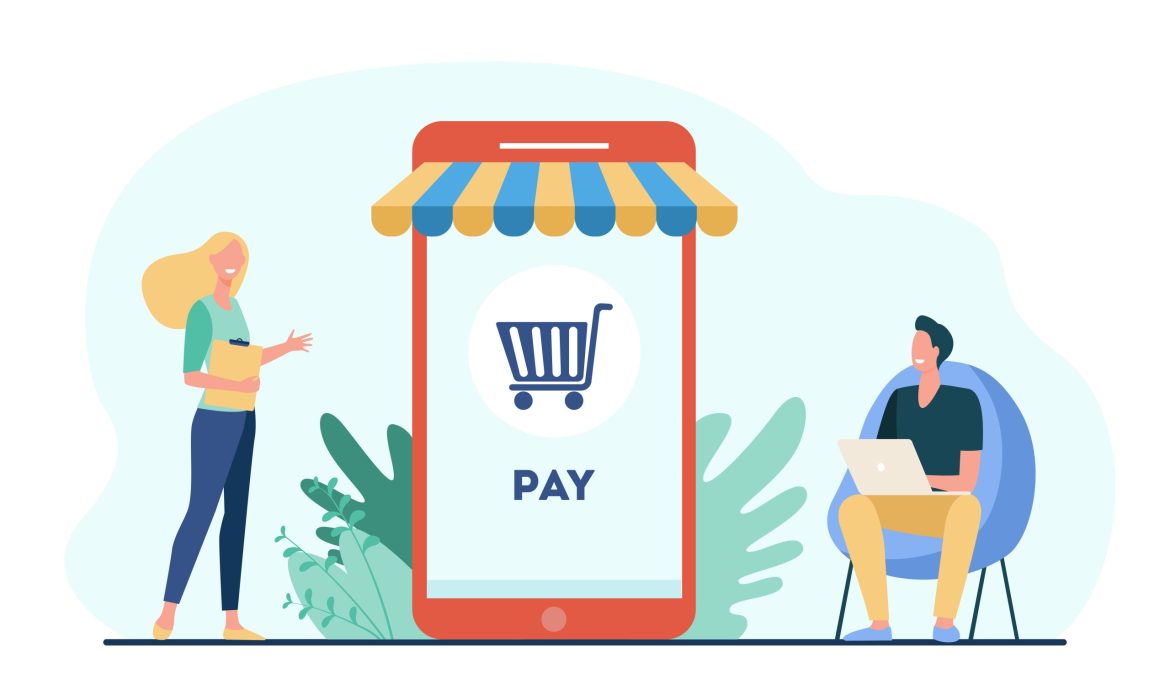
In 2024, the landscape of eCommerce is more dynamic and accessible than ever before. With advancements in technology, the proliferation of online payment systems, and the growing comfort of consumers with digital shopping, starting an online store has become a viable business opportunity for aspiring entrepreneurs. Whether you are looking to turn a hobby into a business, create a side hustle, or build a full-scale enterprise, eCommerce offers an unparalleled platform for growth.
Starting an online store might seem like a daunting task at first. There are numerous factors to consider—choosing the right products, selecting an eCommerce platform, building a website, marketing your store, and managing operations. However, with the right approach and guidance, you can navigate these challenges smoothly.
In this guide, we’ll take you through a step-by-step process for launching an online store in 2024. We’ll explore everything from product selection and market research to setting up a store, marketing, and scaling your business. By the end of this post, you’ll have a clear roadmap to get your store up and running.
Step 1: Find Your Niche
Before you jump into creating an online store, the first step is identifying a niche or market segment that has potential. Your niche is the specific category or group of products you will focus on selling. It could range from handmade crafts to tech gadgets, fitness products, fashion accessories, or even digital goods like eBooks or courses.
Why a Niche Matters
Choosing a niche helps you target a specific audience, making it easier to craft tailored marketing messages. It also allows you to stand out in a crowded marketplace by offering unique or specialized products. Some key benefits of narrowing down your niche include:
Reduced competition: Rather than competing with massive stores like Amazon or Walmart, you focus on a smaller segment of customers who are looking for something specific.
Clear audience targeting: Knowing your audience’s needs and preferences makes it easier to market your products effectively.
Establishing authority: You can position yourself as an expert in your niche, which builds trust with potential customers.
How to Find a Profitable Niche
- Identify your interests: Choose a niche that aligns with your passion or expertise. This will keep you motivated and ensure you have in-depth knowledge of the products.
- Research demand: Use tools like Google Trends, Ubersuggest, or SEMrush to analyze market trends and search volume for your chosen niche. High demand with manageable competition is ideal.
- Evaluate competition: Look at competitors’ stores to understand what they offer, their pricing, and how they market themselves. You don’t want a niche that is oversaturated.
- Profitability: Ensure that the niche has potential for profit. Check product pricing, customer lifetime value, and shipping costs to estimate profitability.
Step 2: Choose Your Products
Once you’ve selected your niche, the next step is to decide which products to sell. This is a crucial decision, as your product range will directly impact the success of your store. In 2024, product trends are constantly evolving, with sustainability, convenience, and unique design driving purchasing decisions.
Factors to Consider When Selecting Products
- Market demand: Look for products that are in demand but not overly saturated. You can use tools like Amazon Best Sellers, eBay’s Trending section, or Google Shopping Insights to get ideas.
- Profit margin: Calculate the costs of sourcing, storing, and shipping products and ensure there’s enough margin to generate profit.
- Sourcing: Decide if you will manufacture your own products, work with wholesalers, or use dropshipping. Dropshipping has become especially popular for online stores, as it removes the need for inventory management.
- Scalability: Think about how easily you can scale your product line as your business grows. It’s often easier to add related products to an existing niche than starting from scratch with a new category.
Where to Source Products
- Local wholesalers: This option often provides better control over product quality and faster shipping times.
- Global manufacturers: Sites like Alibaba or Made-in-China offer a wide range of products at competitive prices.
- Print-on-demand: If you’re selling custom designs (e.g., t-shirts, mugs, or posters), companies like Printful or Printify will handle printing and shipping for you.
- Dropshipping suppliers: Shopify, Oberlo, and AliExpress make dropshipping a seamless option, with no need to manage inventory.
Step 3: Select an eCommerce Platform
Now that you have your niche and products, it’s time to build your online store. One of the most important decisions you’ll make is choosing the right eCommerce platform. Your platform will serve as the foundation for your business, enabling you to manage products, accept payments, and facilitate shipping.
Popular eCommerce Platforms in 2024
- Shopify: Shopify continues to be one of the most popular choices for new online stores. It’s user-friendly, offers a variety of themes, and has a vast range of integrations for payments, marketing, and fulfillment.
- WooCommerce: If you already have a WordPress site, WooCommerce is a powerful plugin that turns your site into a fully functional store. It’s highly customizable and open-source, though it may require more technical know-how.
- BigCommerce: Known for its scalability, BigCommerce is ideal for larger businesses looking to grow. It offers advanced features like multi-channel selling (Amazon, eBay, etc.) and in-depth analytics.
- Wix eCommerce: If you want an all-in-one website builder with eCommerce functionality, Wix offers a drag-and-drop interface that is great for beginners.
- Squarespace: Squarespace combines sleek design options with eCommerce capabilities. It’s a solid choice if branding and aesthetics are a top priority.
Factors to Consider When Choosing a Platform
- Ease of use: Ensure the platform is user-friendly and doesn’t require extensive coding knowledge.
- Customizability: You may want a platform that allows you to tailor your store’s look and functionality.
- Integration with other tools: Consider whether the platform integrates well with email marketing tools, social media, and analytics platforms.
- Scalability: Your platform should be able to grow as your business expands, allowing for additional products, customers, and sales channels.
- Cost: Look at upfront costs, monthly fees, and transaction fees to ensure it aligns with your budget.
Step 4: Design Your Store
Your online store’s design plays a significant role in attracting and retaining customers. A professional and user-friendly design can instill trust and make the shopping experience seamless.
Essential Design Elements
- Responsive design: In 2024, mobile shopping accounts for over 50% of eCommerce transactions. Make sure your store is mobile-friendly and responsive across devices.
- Navigation: Simple, intuitive navigation helps users find products quickly. Categorize products logically and make sure there is a search function.
- Product pages: Each product page should have high-quality images, detailed descriptions, customer reviews, and related products.
- Checkout process: A streamlined, secure checkout process is crucial. Avoid unnecessary steps and ensure multiple payment options (credit cards, PayPal, Apple Pay, etc.) are available.
Tools for Designing Your Store
Themes and templates: Most eCommerce platforms offer customizable themes. Look for ones that align with your brand and are optimized for conversions.
Drag-and-drop builders: Tools like Shopify’s Page Builder, Wix’s editor, or Elementor (for WordPress) allow you to design without coding.
Step 5: Set Up Payment Methods and Shipping
To start making sales, you need to set up a reliable payment gateway and shipping options.
Payment Gateway Options
- PayPal: A trusted payment processor that offers buyer protection and can be integrated into most platforms.
- Stripe: A flexible payment processor that supports various payment methods, including credit cards and digital wallets.
- Square: Best known for its in-person payment systems, Square also offers online payment solutions.
- Apple Pay & Google Pay: These are popular for mobile payments, offering a seamless checkout experience.
Shipping Strategies
- Free shipping: Offering free shipping can boost conversions, but make sure to factor the cost into product pricing if needed.
- Flat-rate shipping: A simple, flat-rate fee can reduce cart abandonment.
- Real-time shipping quotes: Some platforms offer integrations with carriers (FedEx, UPS) to provide live shipping rates at checkout.
Step 6: Marketing Your Online Store
Once your store is live, the next challenge is driving traffic and generating sales. In 2024, the digital marketing landscape offers a variety of strategies to reach potential customers.
Effective Marketing Channels
- Social Media Marketing: Leverage platforms like Instagram, TikTok, and Facebook to engage with your audience through organic posts and paid ads.
- Search Engine Optimization (SEO): Optimize your website with relevant keywords, meta tags, and quality content to rank higher in search engines like Google.
- Email Marketing: Build an email list and send newsletters, product updates, and promotions to encourage repeat business.
- Influencer Marketing: Partner with influencers in your niche to promote your products to their followers.
- Content Marketing: Create blog posts, videos, or tutorials that provide value and drive traffic to your site.
Retargeting and Upselling
Retargeting ads: Use platforms like Google Ads or Facebook to target customers who have visited your site but didn’t made a purchase. Retargeting ads remind potential customers of the products they viewed and encourage them to complete their purchase.
Upselling and cross-selling: During the checkout process, suggest related products or upgrades to encourage larger orders. For example, if a customer is purchasing a t-shirt, you might suggest a matching hat or jacket.
Step 7: Monitor and Optimize Your Store
Launching your online store is just the beginning. Continuous monitoring and optimization are essential to ensure growth and success in the long term.
Key Performance Indicators (KPIs) to Track
- Traffic Sources: Analyze where your visitors are coming from (organic search, paid ads, social media, etc.) to determine which channels are most effective.
- Conversion Rate: Calculate the percentage of visitors who make a purchase. A low conversion rate might indicate issues with your product pages or checkout process.
- Average Order Value (AOV): Track how much, on average, customers spend per order. Use this metric to assess the effectiveness of your upselling strategies.
- Customer Acquisition Cost (CAC): Determine how much you spend on marketing to acquire a new customer. Aim to keep this number low while maintaining high-quality leads.
- Customer Lifetime Value (CLV): Estimate the total revenue you can expect from a customer throughout their relationship with your business. Focus on increasing this value through loyalty programs and excellent customer service.
Tools for Monitoring Performance
Google Analytics: This free tool provides in-depth insights into your website traffic, user behavior, and conversion tracking.
Social Media Insights: Each social platform offers analytics tools to help you understand engagement and performance metrics for your posts and ads.
Email Marketing Analytics: Most email platforms (like Mailchimp or Klaviyo) offer metrics on open rates, click-through rates, and conversions, allowing you to optimize your campaigns.
Continuous Optimization Strategies
A/B Testing: Regularly test different elements of your website (like headlines, images, and calls to action) to see what performs best.
Customer Feedback: Encourage reviews and feedback from customers to identify areas for improvement. Utilize surveys to gather insights directly from your audience.
Stay Updated: Keep up with industry trends, customer preferences, and competitors. Regularly update your marketing strategies and product offerings to remain relevant.
Conclusion
Starting an online store in 2024 can be a rewarding venture, whether you’re looking to make it a side hustle or your main source of income. By following the steps outlined in this guide—finding your niche, selecting the right products, choosing a user-friendly platform, designing an appealing store, setting up payment and shipping, effectively marketing your store, and continuously optimizing your operations—you can create a successful eCommerce business.
The importance of flexibility and adaptability cannot be overstated in the ever-changing world of online retail. Stay attuned to market trends, customer preferences, and technological advancements. As you grow, don’t hesitate to seek out resources, communities, and mentors who can support your journey.
For those eager to dive deeper, consider reading more about eCommerce best practices, taking online courses, or joining entrepreneurial networks to connect with fellow business owners. The journey to launching and growing your online store is filled with learning opportunities, and each step brings you closer to achieving your entrepreneurial dreams.
Remember, success in eCommerce doesn’t happen overnight. It takes perseverance, creativity, and a willingness to adapt. But with the right tools and knowledge, you can thrive in the online marketplace. Good luck on your journey!
Additional Resources
Shopify’s Guide to Building an Online Store: A comprehensive resource for everything from setup to marketing.
Google’s eCommerce Trends: Stay updated on current trends and consumer behavior in the online marketplace.
Neil Patel’s Blog: Excellent insights on SEO and digital marketing strategies tailored for eCommerce businesses.
EcommerceFuel Community: A forum for online store owners to share advice and experiences.

